
Happy Losar – Year of the Wood Dragon!
Welcome to the year of the Wood Dragon, 2151 in the Tibetan calendar.

Postcard from the Field #7
This is the seventh and final installment in a series from Tom Hayes, the cowriter of Richard Blum's memoir which focused on Nepal and AHF. As Tom and the team depart Mustang for Kathmandu, they take an unexpected but spectacular detour above the Kali Gandaki Gorge.

Postcard from the Field #6
This is the sixth installment in a series from Tom Hayes, the cowriter of Richard Blum's memoir which focused on Nepal and AHF. Tom arrives in Mustang's largest village, Lo Manthang and discovers the magic that drew Richard to the area decades ago.

Postcard from the Field #5
This is the fifth installment in a series from Tom Hayes, the cowriter of Richard Blum's memoir which focused on Nepal and AHF. We continue our travels with Tom on horseback through Mustang, making his way to the region's second largest village.

Postcard from the Field #4
This is the fourth installment in a series from Tom Hayes, the cowriter of Richard Blum's memoir which focused on Nepal and AHF. We go with Tom on a scenic (and bumpy) journey through Upper Mustang on horseback.

Postcard from the Field #3
This is the third installment in a series from Tom Hayes, the cowriter of Richard Blum's memoir which focused on Nepal and AHF. Tom takes us on a journey to a day care center that AHF supports in Upper Mustang.

Postcard from the Field #2
This is the second installment in a series from Tom Hayes, the cowriter of Richard Blum's memoir which focused on Nepal and AHF. Tom takes us on a journey up the sacred Swayambhu steps in Kathmandu, a tradition for the first day of all AHF field visits to Nepal.

Postcard from the Field #1
Nine years ago, Richard and Tom Hayes collaborated on Richard's memoir which focused on AHF and Nepal. This spring, Tom had the opportunity to travel to Nepal for the first time and witness first-hand what Richard had described all those years ago. This is the first in a series of dispatches from his trip.
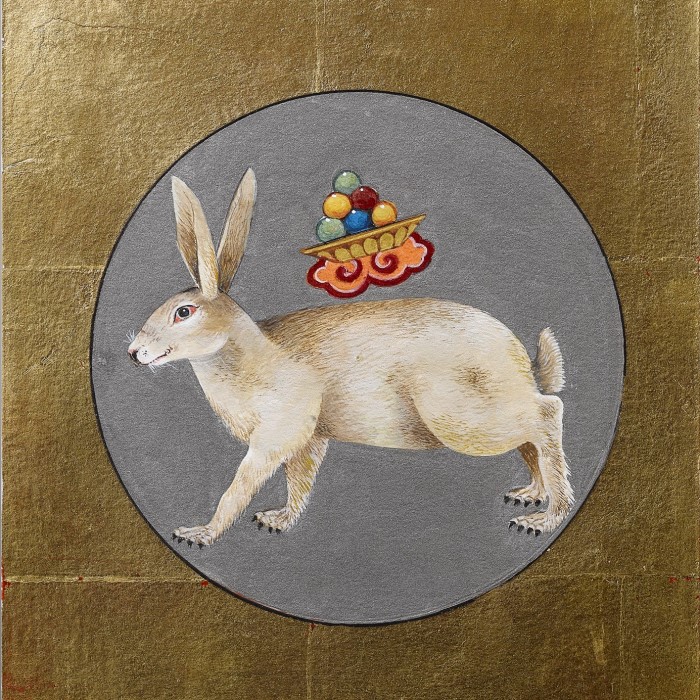
Happy Losar – Year of the Water Rabbit!
Losar Tashi Delek to you and your loved ones! This Year of the Water Rabbit 2023 (2150 in the Tibetan calendar) is considered a year of hope. Rabbit is the symbol of longevity, peace, and prosperity, and people born in the Year of the Rabbit are quick-minded and ingenious.

The True Spirit of Adventure
This weekend May 29th marks the 69th anniversary of my father Tenzing Norgay and Sir Edmund Hillary’s historic ascent of Chomolungma (Everest) in 1953. At that time, it was the closest that man had been to the moon. The lure of Chomolungma today remains insatiable. More than 325 permits were issued this spring to climb the mother Goddess, with a handsome yield of $3.3m for the Government of Nepal in licensing fees.