Early Detection in Action
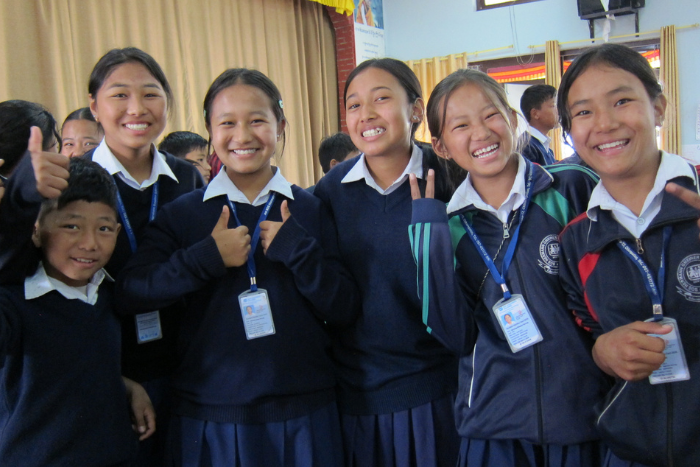
On a sunny February day in Pokhara, children of all ages lined up for a medical screening that could save their lives. They put on brave faces in front of their classmates, watching cautiously as nurses gave them a small injection in their forearm. This simple test can prevent the spread of one of the deadliest illnesses in Nepal: Tuberculosis (TB).
Although TB is curable and preventable, the illness still affected an estimated 67,000 people across the country in 2025, according to the National Tuberculosis Control Center. Limited access to healthcare, especially in remote regions, makes it difficult to conduct the testing and treatment necessary to stop the spread. Our partners at Johns Hopkins University are working on the ground to help change that.
The initiative is led by Kunchok Dorjee, a Tibetan physician-epidemiologist at Johns Hopkins, whose team brings care directly to underprivileged youth by setting up clinics in community centers and schools. For many of these children, it's the first time they've ever had access to testing at all.
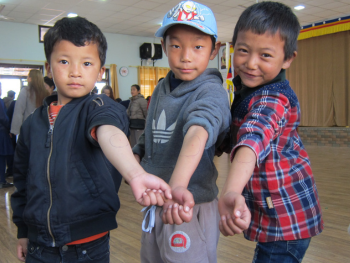
During the most recent medical screenings in Pokhara, more than 500 children were tested for TB and H. pylori (bacteria that can cause stomach cancer). Many discovered they had a dormant infection which they had no way of knowing they carried. Prompt treatment was administered for both illnesses, and checkup appointments were scheduled to ensure that the medication was effective.
Beyond screening and treatment, the initiative has an important research component. By working closely with each community, health workers are able to identify the real barriers families face in seeking care, as well as the stigma that often surrounds a TB diagnosis and treatment. These insights are helping shape public health programs and improve awareness going forward.
The success of these clinics is a promising sign that a future free from TB and other preventable illnesses is possible. We are excited to continue collaborating with Johns Hopkins to build on this work and bring early detection screenings to more underserved communities across the Himalaya.
Photos are courtesy of our partners.