Healthier Dogs, Safer Snow Leopards
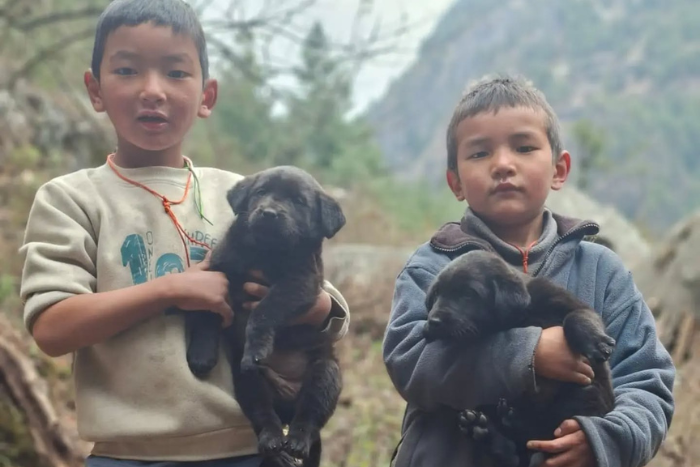
In Manang, a district of Nepal nestled high in the Annapurna mountain range, the well-being of people, domestic animals, and wildlife is deeply interconnected. Veterinary services are scarce in remote areas like this, and a growing population of feral dogs is creating new challenges that put the community and surrounding ecosystem at risk. Local villagers have recounted a significant increase in conflict between dogs, snow leopards, and other wildlife over the past several years.
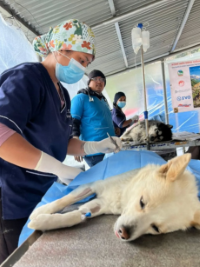
This spring, our partners at the Snow Leopard Conservancy collaborated with local organizations and government agencies to address these emerging issues. They conducted large-scale vaccination and animal welfare clinics across three rural municipalities, home to an estimated 600 dogs. This is critical for the well-being of both villagers and wildlife, as diseases can spread from dogs to other animals with fatal consequences.
Over 350 dogs were vaccinated against rabies, distemper, and other infectious diseases, and 173 were sterilized to help reduce the future feral population. Veterinary staff tended to the wounds of dogs, one of which was allegedly bitten by a snow leopard. Treating distemper and controlling the population will help reduce conflict between dogs and wildlife, protecting the 379 endangered snow leopards in Nepal.
The team also treated local livestock, including responding to an outbreak of Orf, a contagious skin disease that affected 100 sheep. In addition, they conducted health evaluations for 65 equines, helping protect both animal welfare and local livelihoods.
Alongside direct care, the initiative trained local veterinary technicians in humane animal handling, vaccination techniques, and disease response — skills that will be critical to improving animal health and reducing conflict in the region for years to come.
By strengthening veterinary care, community education, and collaboration among local partners, the initiative is building healthier communities while supporting long-term coexistence of people and wildlife in Nepal’s high mountains. We hope to expand this work to other villages across the region, increasing awareness about the need for intervention and setting communities up with the resources they need to protect themselves and the fragile Himalayan ecosystem.
Photos courtesy of Anton Jankovoy and our partners.